

Argentina’s Food Industry: Key Drivers for Growth in International Markets
1 June, 2026
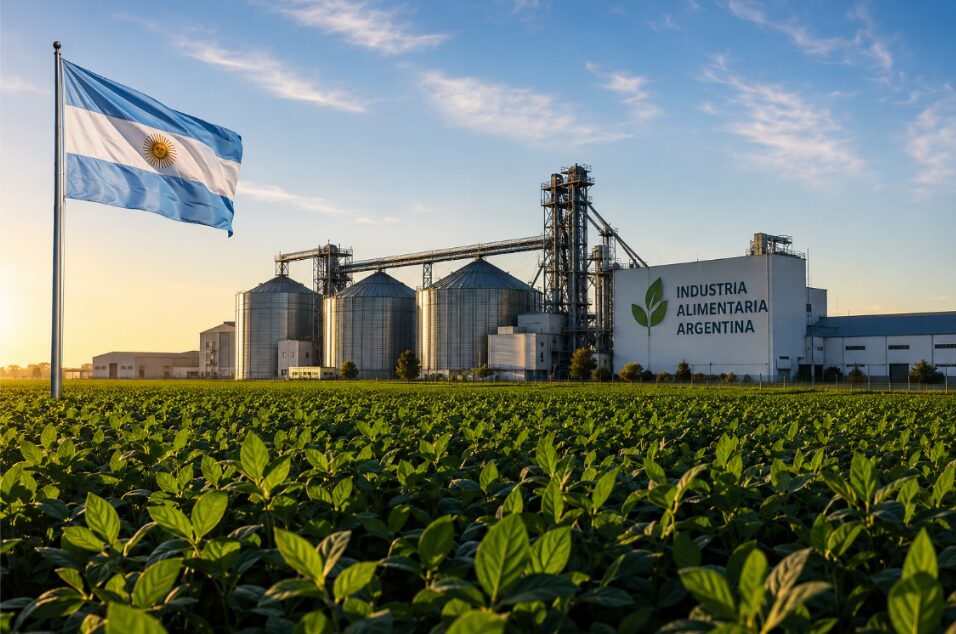
Argentina’s food industry plays a strategic role in both the country’s economy and its productive sector. With strong export capacity and a highly diverse value chain, the industry has established itself as one of the country’s main engines of growth and a key player in the global food trade.
In a global landscape where demand for food continues to rise, opportunities for Argentine companies are expanding. However, succeeding in international markets requires much more than production capacity—it demands innovation, adaptability, competitiveness, and a clear internationalization strategy.
The Importance of Argentina’s Food Industry
The food and beverage industry accounts for nearly 30% of Argentina’s industrial GDP and 33% of registered industrial employment, generating more than 416,000 direct jobs and 1.3 million indirect jobs.
In addition, the sector represents approximately 37% of the country’s total exports, with international sales exceeding USD 32 billion. This positions Argentina as one of the leading food exporters in the region and a key player within MERCOSUR.
The country’s production capacity also stands out for its diversity. From meat, wine, and dairy products to oils, legumes, fruits, and regional specialties, Argentina’s food industry supplies more than 180 international markets.
What Drives the Sector’s International Growth
One of the most important factors behind the growth of Argentina’s food industry is the combination of agro-industrial capacity, innovation, and the ability to adapt to global demand.
Today, many markets seek suppliers capable of ensuring quality, traceability, and operational continuity. In this regard, Argentina holds competitive advantages through its production structure, regional economies, and extensive export experience.
There is also growing demand for value-added and differentiated products. This includes functional foods, organic products, natural ingredients, and categories associated with healthier consumption habits.
At the same time, stronger trade agreements and regional integration are opening up new opportunities for expansion. The MERCOSUR–European Union Agreement, for example, represents an opportunity to strengthen supply chains and expand into strategic markets.
Innovation and Technology as Competitive Advantages
International competitiveness no longer depends solely on production volume. Innovation has become one of the main drivers of growth within the food industry.
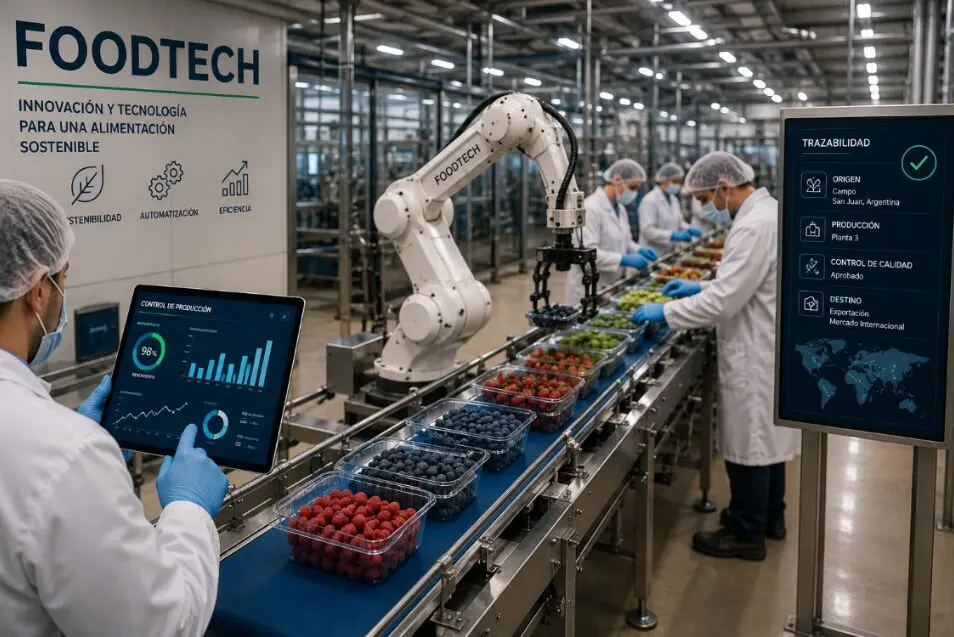
In Argentina, many companies are incorporating technology throughout different stages of the value chain, from precision agriculture and biotechnology to industrial automation and the development of new food formulations.
In addition, traceability and certifications are becoming increasingly important in international markets. Buyers value companies that can demonstrate high standards of quality, sustainability, and process control.
Among the trends currently having the greatest impact are:
* New food products and innovative formulations
* Food preservation and packaging technologies
* Regenerative agriculture and sustainability
* Certifications and designations of origin
These factors enable companies to differentiate themselves and strengthen their position in an increasingly demanding global marketplace.
How to Access New International Markets
International expansion requires planning and market knowledge. One of the first steps is identifying potential destinations based on the type of product and the company’s operational capabilities.
It is also essential to understand each country’s regulations, including sanitary requirements, labeling standards, and specific certifications. In many cases, these aspects determine both market entry and long-term commercial success.
Building strategic relationships is another key factor. Business matchmaking sessions, international trade fairs, and industry events provide opportunities for companies to connect with buyers, distributors, and importers.
In this context, ARGENTINA ALIMENTA serves as a platform dedicated to strengthening the internationalization of the food industry by creating networking opportunities and facilitating connections with global markets.
The Challenge of Strengthening Export Growth
Although Argentina already has a strong export base, there is still significant room for growth. Currently, only a portion of companies within the sector actively participate in international markets, highlighting the industry’s untapped expansion potential.
Looking ahead, the challenge will be to continue diversifying products, export destinations, and the number of exporting companies. Achieving this will require strengthening competitiveness, fostering innovation, and enhancing collaboration between the public and private sectors.
At the same time, the ability to adapt to emerging global demands will become increasingly important. Sustainability, technology, and operational efficiency will continue to play a central role in the food industry’s agenda.
Argentina’s food industry has the strategic conditions needed to continue expanding in international markets. Its production capacity, regional diversity, and export expertise position the country as a significant player in the global food trade.
However, sustained growth will depend on the industry’s ability to innovate, adapt, and create added value. In an increasingly competitive international environment, companies that successfully combine efficiency, quality, and strategic vision will enjoy greater opportunities for expansion and long-term development.
Frequently Asked Questions About Argentina’s Food Industry
Why is the food industry important to Argentina?
Because it represents a significant share of the country’s industrial GDP, employment, and exports.
What products does Argentina export?
Meat, wine, oils, dairy products, legumes, regional specialties, processed foods, and many other products.
Which markets import Argentine food products?
Argentina exports food products to more than 180 markets, including Brazil, China, the United States, Chile, and several European countries.
What factors support international growth?
Innovation, quality, traceability, certifications, and the ability to adapt to evolving global market demands.