

Networking and Growth in the Food Industry: How to Connect with New Buyers
1 June, 2026
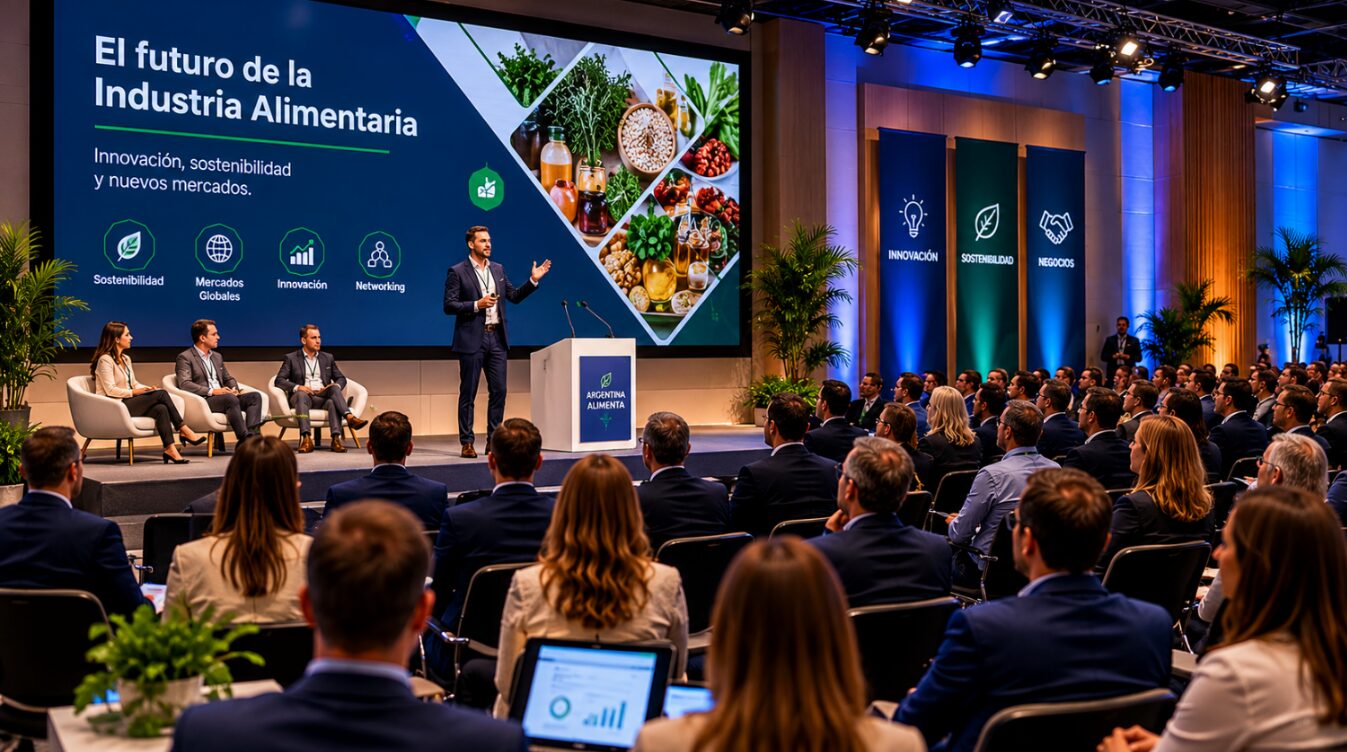
In the food industry, building strategic business connections is becoming increasingly important for companies looking to grow and expand into new markets. Beyond product quality or production capacity, access to the right buyers, distributors, and business partners often makes the difference between a company that successfully scales and one that remains limited to smaller markets.
In this context, networking has become a key tool for businesses seeking to strengthen their market position, expand their sales channels, and create new opportunities within the food industry.
Why Networking Is Strategic in the Food Industry
The food industry operates through a complex network of relationships involving producers, distributors, importers, supermarkets, the HoReCa sector, and logistics operators. As a result, many business opportunities arise from strategic relationships and strong connections within the industry ecosystem.
In addition, the food industry is one of the most important sectors for the regional economy. In Argentina alone, the food and beverage industry accounts for nearly 30% of the country’s industrial GDP and 37% of national exports. This economic significance drives a dynamic commercial environment at both the domestic and international levels.
For this reason, building sustainable business relationships is no longer a complementary activity—it has become a central component of any growth strategy.
How to Connect with New Buyers
One of the most common questions within the industry is how to generate meaningful business contacts and reach new buyers. The answer typically involves a combination of visibility, participation in strategic industry spaces, and market knowledge.
Many companies secure their first commercial opportunities through:
* Industry trade fairs and events
* B2B business matchmaking sessions
* Industry networking opportunities
* Business referrals and strategic partnerships
These environments allow companies to interact directly with key market players while gaining a better understanding of buyer needs, high-demand products, and the trends shaping the industry.
Moreover, networking does more than generate new sales opportunities. It also provides access to valuable market intelligence, helps identify new opportunities, and strengthens brand presence within the food sector.
The Role of Trade Fairs and Business Matchmaking Sessions
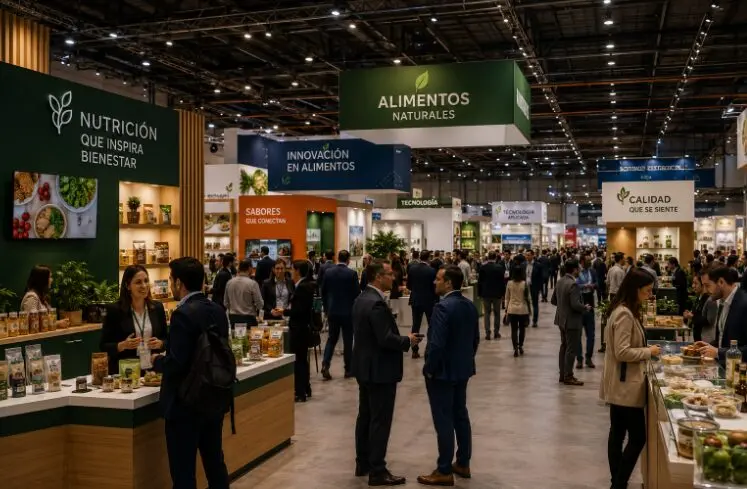
Specialized events play a central role in the commercial expansion of food companies. They serve as meeting points where supply and demand come together in an environment specifically designed to create tangible business opportunities.
Business matchmaking sessions are particularly valuable in this regard. Unlike more informal networking formats, these meetings are typically organized to facilitate strategic connections between companies and buyers based on shared interests and business profiles.
ARGENTINA ALIMENTA, for example, embraces this approach by offering dedicated spaces for networking and connecting with both domestic and international buyers. Initiatives like these are especially valuable at a time when more companies are seeking to expand into new markets and diversify their commercial channels.
In addition, industry events help companies identify market trends, validate products, and establish relationships that often develop into long-term business partnerships.
What Buyers Are Looking for in Today’s Food Industry
Understanding what buyers are looking for is essential to building stronger business relationships. Today, factors such as quality, traceability, and supply capacity play a decisive role in purchasing decisions.
There is also growing demand for companies that can offer:
* Value-added products
* Innovation and differentiation
* Certifications and quality standards
* Strong logistics capabilities and operational continuity
In international markets, these factors become even more important. A company’s ability to ensure reliable processes and adapt to different commercial requirements has a direct impact on its competitiveness.
For this reason, effective networking depends not only on making connections but also on presenting a strong value proposition aligned with market needs.

Turning Networking into Real Business Opportunities
One of the biggest challenges for many companies is transforming an initial contact into a concrete business relationship. Achieving this requires strategy, consistent follow-up, and the ability to adapt.
Attending an event or securing a meeting is only the first step. What truly makes a difference is the ability to nurture those relationships over time and turn them into business opportunities.
To accomplish this, companies need a clear value proposition, well-structured commercial information, and a long-term growth vision. It is equally important to understand each buyer’s context and tailor communication to the specific characteristics of each market.
In an increasingly competitive industry, companies that succeed in building strong business relationships are better positioned for expansion and long-term success within the food sector.
Networking has become a strategic tool for companies seeking growth in the food industry and looking to connect with new buyers. In an environment where business relationships are increasingly valuable, building the right connections can open opportunities at both the domestic and international levels.
Beyond the initial contact, the real value lies in developing lasting relationships, understanding market needs, and actively participating in the food industry ecosystem. Along this path, industry trade fairs and business matchmaking sessions will continue to play a central role in creating new commercial opportunities.
Frequently Asked Questions About Networking in the Food Industry
Why is networking important in the food industry?
Because it helps companies build business connections, reach buyers, and identify growth opportunities within the sector.
How can companies connect with international buyers?
Through business matchmaking sessions, industry trade fairs, and networking events focused on international trade.
What are buyers looking for in the food industry?
Quality, traceability, reliable supply capacity, innovation, and compliance with recognized standards.
What role do events like ARGENTINA ALIMENTA play?
They serve as meeting points where companies, distributors, and buyers can connect, facilitating business opportunities and strategic networking.