

AI in the Food Industry: How Companies Are Optimizing Production and Logistics
1 June, 2026

Artificial intelligence (AI) is becoming one of the most important tools for improving operational efficiency, optimizing processes, and responding to increasingly dynamic market demand within the food industry. From automating production lines to forecasting consumer demand and streamlining logistics, food companies are leveraging AI to make faster, more accurate decisions.
This transformation is driven by more than just technological innovation. The need to reduce costs, minimize waste, and improve traceability is encouraging an increasing number of companies to integrate data-driven and intelligent automation solutions into their operations.
How AI Is Being Applied in Food Production
One of the primary applications of artificial intelligence in the food industry is the optimization of production processes. By analyzing real-time data, companies can detect anomalies, adjust operating parameters, and improve the performance of production lines.
In many manufacturing facilities, AI is already being used to monitor temperature, humidity, cooking times, and quality levels. This helps reduce human error while ensuring more consistent production outcomes.
Intelligent automation also helps minimize waste and optimize the use of raw materials. In an industry where operating margins can be significantly affected by logistics costs and fluctuations in raw material prices, this level of efficiency is essential.
Predictive maintenance is also becoming increasingly common. Using sensors and advanced analytics models, companies can anticipate equipment failures before they occur, preventing unexpected downtime and reducing production losses.

AI and Logistics: Greater Efficiency Across the Supply Chain
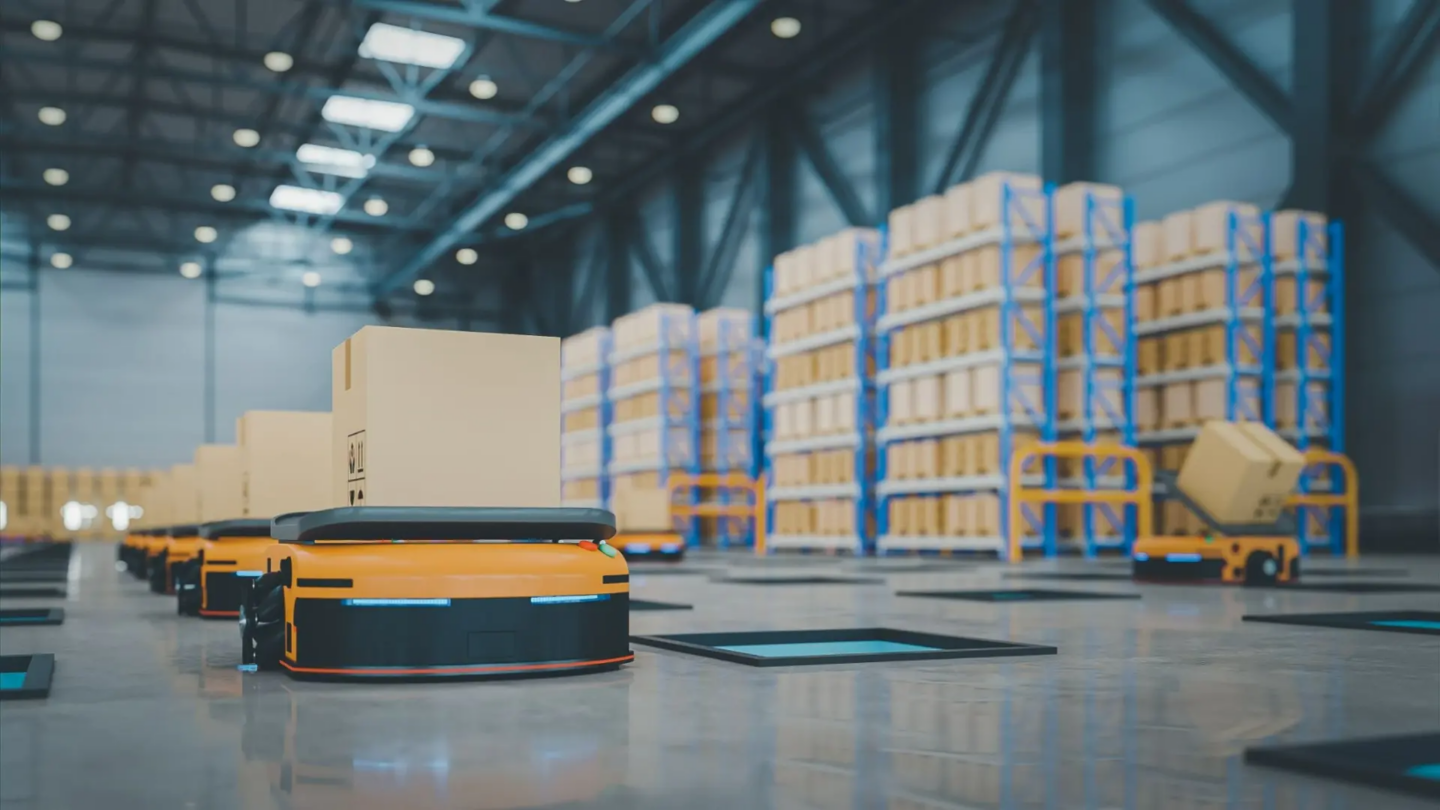
Logistics remains one of the food industry’s greatest challenges, particularly in markets that involve multiple distribution channels and extensive geographic distances.
In this environment, artificial intelligence enables companies to optimize transportation routes, forecast demand, and improve inventory management. These capabilities have a direct impact on operating costs, delivery times, and overall responsiveness.
For example, many companies use predictive models to anticipate consumer purchasing patterns and adjust production and distribution levels accordingly. This is especially valuable for perishable products, where poor planning can result in significant losses.
AI also enhances traceability. Automated product tracking throughout the supply chain makes it possible to identify issues quickly while ensuring higher standards of quality and food safety.
Why Artificial Intelligence Is a Strategic Asset for the Industry
The adoption of artificial intelligence not only improves operational processes but also transforms the way companies make decisions.
In the food industry, where competitiveness depends on the ability to respond quickly to changing market conditions, access to real-time information has become a strategic advantage. AI enables companies to identify consumption patterns, uncover new opportunities, and react more effectively to shifts in demand.
In addition, AI supports some of the industry’s most important priorities, including sustainability and food waste reduction. Resource optimization, logistics improvements, and energy efficiency are now central objectives across the sector.
This technological evolution is also taking center stage at industry trade fairs and specialized events. Events such as ARGENTINA ALIMENTA demonstrate how innovation and digital transformation are becoming increasingly prominent in the food industry’s strategic discussions.
Challenges of Implementing AI in the Food Industry
Although the adoption of AI technologies continues to accelerate, implementation still presents significant challenges for many companies.
One of the main obstacles is access to the necessary infrastructure and specialized talent. Integrating artificial intelligence requires investment, workforce training, and the adaptation of internal processes. In addition, many organizations continue to rely on fragmented systems or have relatively low levels of digitalization, limiting their ability to fully leverage these technologies.
Another critical factor is data management. For AI solutions to perform effectively, companies need reliable, up-to-date, and well-integrated data.
Despite these challenges, the trend is clear. Intelligent automation and advanced data analytics will continue to expand throughout the food industry, driving more efficient production and logistics models.
Artificial intelligence is no longer a future concept for the food industry—it is already transforming production, logistics, and business decision-making. Its ability to optimize processes, reduce waste, and improve operational efficiency positions AI as a strategic driver of competitiveness across the sector.
In an environment where innovation and efficiency are becoming increasingly important, companies that successfully integrate these technologies will be better equipped to adapt, compete, and grow within an ever-evolving food industry.
Frequently Asked Questions About AI in the Food Industry
How is AI used in the food industry?
AI is applied to production, logistics, predictive maintenance, demand forecasting, and the optimization of industrial processes.
Why is artificial intelligence important for food companies?
Because it improves efficiency, reduces costs, optimizes resource utilization, and enables data-driven decision-making.
What are the benefits of AI in logistics?
AI helps optimize transportation routes, improve inventory management, forecast demand, and enhance product traceability.
What are the main challenges of implementing AI?
Technology investment, workforce training, and data integration are among the industry’s most significant challenges today.